
Indonesia is a nation known for its rich cultural heritage, and one of the most vibrant aspects of this culture is its cuisine. From the bustling streets of Jakarta to the tranquil villages of Bali, traditional Indonesian dishes are an integral part of daily life. Among these, soto Betawi, kerak telor, and nasi uduk stand out as iconic examples of the country’s culinary diversity. These dishes not only reflect the flavors of Indonesia but also tell stories of its history, traditions, and regional influences. In this article, we explore these three beloved dishes in detail.
Soto Betawi: A Flavorful Legacy from Jakarta
Soto Betawi is a traditional soup that originates from the Betawi community of Jakarta. It is more than just a meal; it is a symbol of the city’s cultural identity. The dish is made with beef broth, often using the meat from the cow’s head or neck, which is slow-cooked to extract maximum flavor. The soup is then enriched with ingredients such as lemongrass, kaffir lime leaves, and garlic, giving it a distinct aroma and taste.
What sets soto Betawi apart is the addition of bawang goreng (fried shallots) and kerupuk (crispy crackers), which add a satisfying crunch to each spoonful. It is typically served with rice, making it a complete meal that is both nourishing and comforting. The dish is often enjoyed during special occasions or as a hearty breakfast, especially in Jakarta and surrounding areas.
Key Features of Soto Betawi:
– Made with beef broth
– Spiced with lemongrass, kaffir lime, and garlic
– Served with fried shallots and crispy crackers
– Often accompanied by rice
Kerak Telor: A Spicy Delight from the Streets
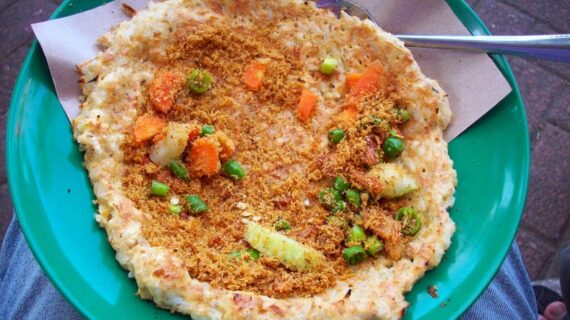
Kerak telor is a popular street food in Indonesia, particularly in Jakarta. This spicy omelet is made from a mixture of eggs, flour, and a variety of vegetables such as green beans, carrots, and cabbage. What makes kerak telor unique is the addition of chili paste, which gives it a fiery kick that is both bold and delicious.
The preparation involves mixing all the ingredients into a batter, which is then cooked on a griddle until it forms a crispy, golden-brown layer. The result is a savory and slightly crunchy dish that is often enjoyed with a side of sambal (chili sauce) for extra heat. Kerak telor is a favorite among locals and visitors alike, and it can be found at many street food stalls and warungs across Indonesia.
Key Features of Kerak Telor:
– Made from eggs, flour, and vegetables
– Spiced with chili paste
– Crispy and flavorful
– Often served with sambal
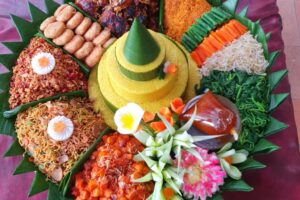
Nasi Uduk: A Fragrant Rice Dish with a Rich History
Nasi uduk is a traditional Indonesian rice dish that is believed to have originated from the Javanese community. Unlike plain white rice, nasi uduk is cooked with coconut milk, which gives it a creamy texture and a subtle sweetness. The rice is usually seasoned with spices such as turmeric, lemongrass, and salt, adding depth to its flavor.
What makes nasi uduk special is the variety of accompaniments that come with it. Common side dishes include telur dadar (omelet), ayam goreng (fried chicken), sambal, and lalapan (fresh vegetables). This combination creates a balanced meal that is both satisfying and nutritious. Nasi uduk is often served during festive occasions or as a comforting meal at home.
Key Features of Nasi Uduk:
– Cooked with coconut milk
– Seasoned with turmeric and lemongrass
– Served with various side dishes
– A staple in Javanese cuisine
Conclusion
Soto Betawi, kerak telor, and nasi uduk are more than just meals—they are reflections of Indonesia’s diverse cultural heritage and culinary traditions. Each dish carries with it a story, a history, and a unique flavor that has been passed down through generations. Whether you’re a local or a visitor, experiencing these dishes is a must when exploring the rich tapestry of Indonesian cuisine. So next time you’re in Indonesia, make sure to try these iconic dishes and savor the flavors that make the country so special.